
Scaling Water Security
Bana Negusse
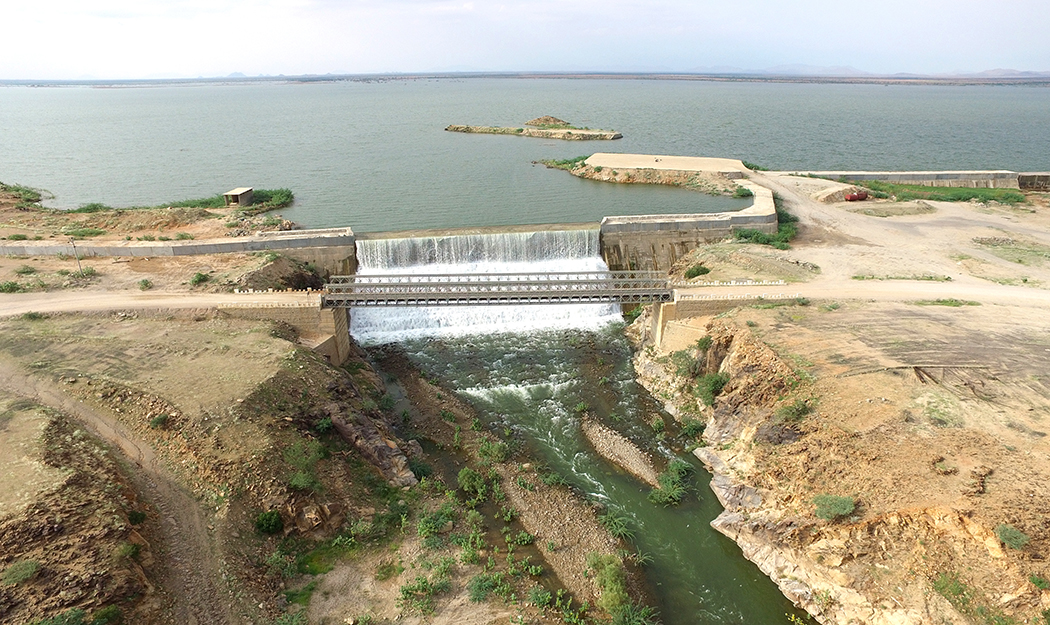
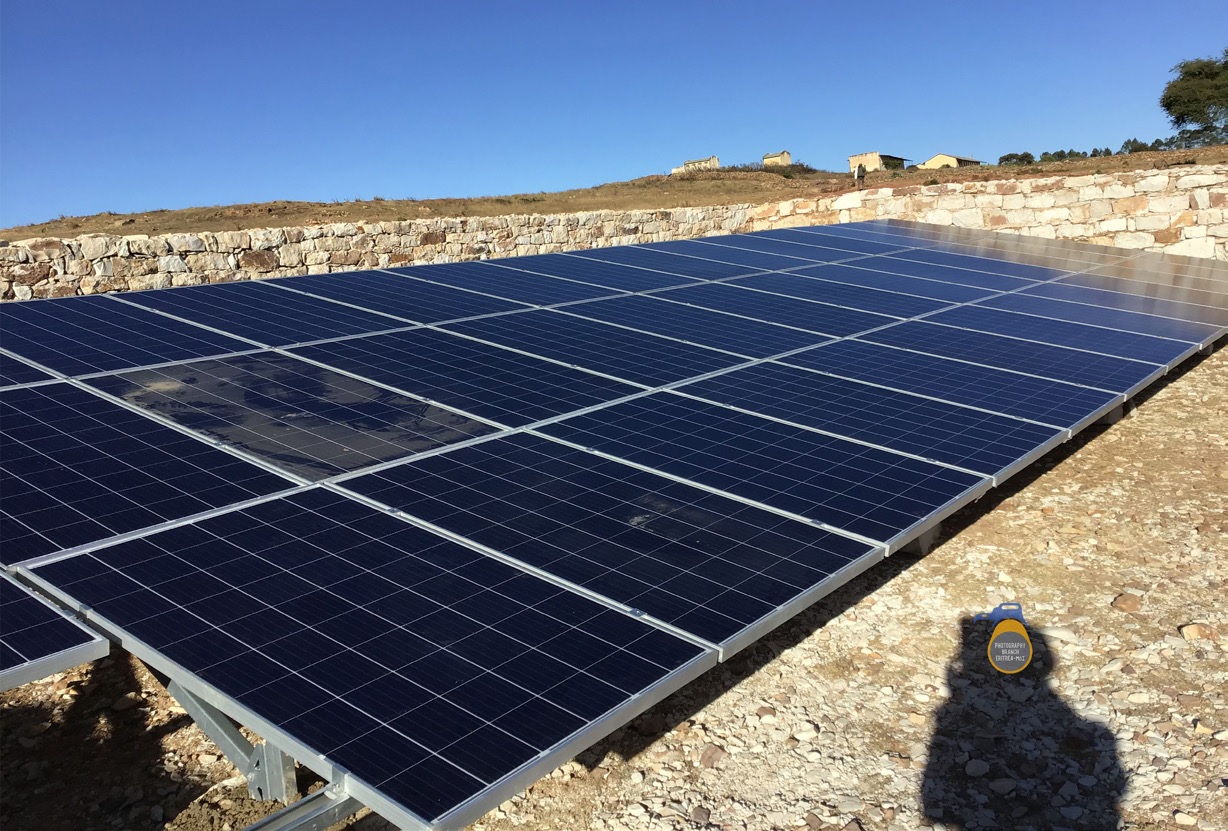
Recent developments in Eritrea’s Southern Region offer a compelling snapshot of the country’s broader efforts to secure sustainable access to potable water. According to Mr. Kibrom Misgina, head of water development in the region, 41 potable water projects valued at more than 84 million Nakfa were implemented between 2021 and 2025 through close collaboration between the Government and local communities. These initiatives include 258 kW of solar energy systems, 116 water distribution centers, 48 reservoirs, and more than 90 kilometers of water pipelines, collectively benefiting over 100,000 people.
Mr. Kibrom noted that while 60 percent of the project costs were covered by the Government, the remaining share was contributed by local communities – an approach that has strengthened community buy-in, local agency and ownership, and long-term sustainability. He also commended the active participation of members of the Eritrean Defense Forces, highlighted renovation work carried out on more than 200 water schemes, and emphasized ongoing training in water management to ensure durability. Currently, the Southern Region operates 50 potable water projects powered by solar systems, along with others powered by hand pumps and generators.
While these achievements reflect tangible progress at the regional level, they are part of a much larger national effort rooted in the understanding that water lies at the heart of sustainable development.
Water is fundamental to socio-economic growth, energy and food production, healthy ecosystems, and human survival itself. It is also central to climate change adaptation, serving as the critical link between society and the natural environment. Yet water security remains one of the most pressing global challenges. According to the World Health Organization (WHO) and UNICEF, more than two billion people worldwide still lack access to safely managed drinking water services, including over 100 million who rely on unsafe surface water. At the same time, approximately 3.5 billion people live without safely managed sanitation, with 419 million still practicing open defecation. The WHO estimates that improving access to clean water, sanitation, and hygiene could save 1.4 million lives every year, while the FAO and UN-Water report that nearly 10 percent of the global population lives in countries facing high or critical water stress.
These stark realities underscore the urgency of sustainable water management worldwide. They also provide important context for understanding how individual countries, particularly those acing harsh climatic conditions, are responding.
In Eritrea, progress in water development has translated directly into gains in public health, human development, and economic resilience. Expanded access to safe water has reduced the burden of waterborne diseases, improved maternal and child health, and strengthened hygiene standards in schools and health facilities. At the same time, a more reliable water supply has supported agricultural productivity, livelihoods, and local economic activity, particularly in rural areas. These outcomes underscore that water investments in Eritrea are not merely infrastructural achievements, but foundational drivers of national development.
Shaped by arid landscapes and recurrent droughts, Eritrea has embarked on a determined and forward-looking water journey, transforming scarcity into an opportunity for resilience, innovation, and inclusive development.
Located within the Sahelian Belt, Eritrea is characterized by predominantly arid and semi-arid conditions, where water scarcity has long constrained development. The country’s surface water resources are distributed across five major river basins: Setit, Mereb-Gash, Red Sea Basin, Barka-Ansebas, and Danakil Ba. Together, these basins generate an estimated mean annual runoff of 9,967 million cubic meters. Of this, approximately 932 million cubic meters flows eastward into the Red Sea, 8,613 million cubic meters flows westward, and 422 million cubic meters is retained within inland depressions. Despite this natural endowment, surface water alone cannot reliably meet the needs of a growing population. Groundwater has therefore become Eritrea’s most dependable freshwater source, though these reserves face increasing pressure from overextraction, deforestation, inadequate recharge practices, and intensifying climate change impacts.
Recognizing that water security is inseparable from national development, Eritrea established a comprehensive legal and policy framework to guide water management from the outset. Beginning in 1997 and revised in 2007, the Water Policy, Water Law, Water Sector Institutional Framework, and related Water Sector for Human Development documents are grounded in the principles of Integrated Water Resources Management. Central to this approach is inclusivity, helping to ensure that all population groups and economic sectors participate in the planning, use, and protection of water resources. This framework has provided the foundation for Eritrea’s sustained progress in expanding access while building long-term resilience.
The results over the past three decades have been striking. At independence in 1991, only 13 percent of the population had access to clean and safe water. Today, nationwide coverage exceeds 85 percent. Urban access has increased from 30 percent to over 92 percent, while rural coverage has expanded from just 7 percent to nearly 80 percent – a powerful reflection of the country’s commitment to leaving no one behind.
Improved access has also transformed public institutions. More than half of Eritrea’s schools now have reliable access to safe water, while health facilities across the country are increasingly equipped to provide dependable services. These gains have contributed to better hygiene, safer childbirth conditions, and measurable reductions in neonatal mortality.
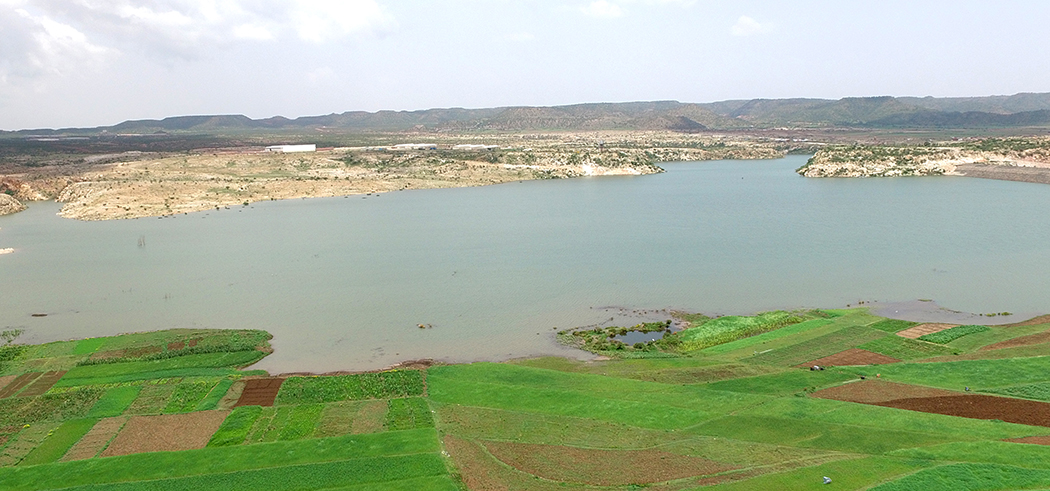
At the heart of this progress lies a sustained expansion of water infrastructure. At independence, Eritrea had only 138 dams and ponds. Today, the number exceeds 800, significantly enhancing water storage capacity and distribution. In recent years, dozens of new structures have been completed and inaugurated, with additional projects currently under planning or development. These achievements reflect a cooperative, government-led approach that brings together communities, national institutions, and international partners. Through this model, Eritrea has mobilized technical expertise, financing, and capacity-building support, enabling the country to scale up sustainable solutions and adapt innovative practices.
Looking ahead, Eritrea remains firmly committed to strengthening efficiency and climate resilience in its water sector. Agriculture, the largest consumer of freshwater, is undergoing a gradual transition from traditional furrow irrigation to modern pressurized systems that reduce waste and improve productivity. Aging pipelines are being replaced to minimize losses and extend services to underserved areas. Equally important is environmental stewardship: investments in reforestation, watershed management, and ecosystem protection help safeguard the natural systems on which water availability depends.
Water, ultimately, is more than a resource. It is a lifeline and a catalyst for transformation. Eritrea’s experience demonstrates that even in resource-constrained and climate-vulnerable settings, meaningful progress is possible through clear vision, strong policy frameworks, community engagement, and sustained investment. By integrating infrastructure development with environmental protection and social inclusion, Eritrea has significantly strengthened its water security.